


In Vitro Fertilization (IVF): Your Path to Family
What is IVF?
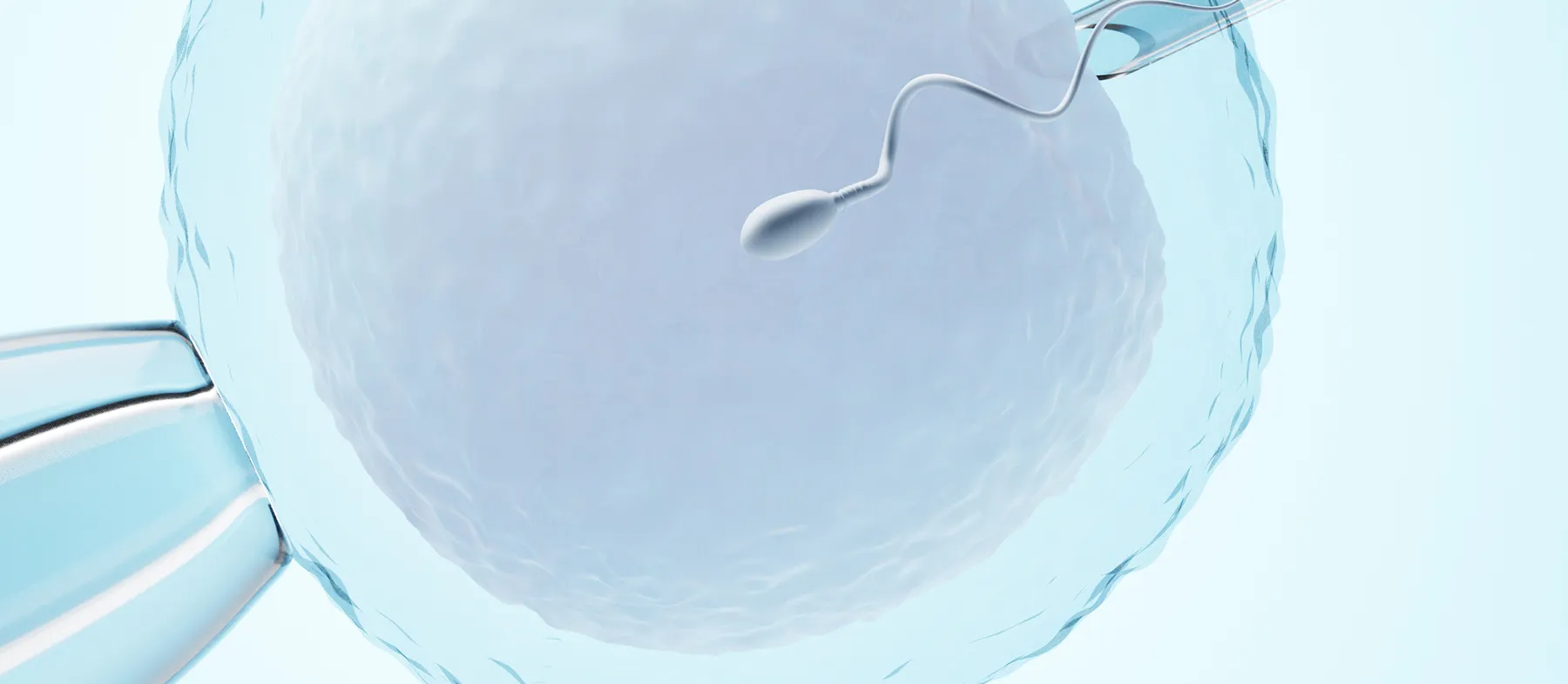
In vitro fertilization, known as IVF, is like giving nature an extra helping hand when it needs a little push. It’s a process where we unite the egg and sperm outside the body, in our laboratory, to create embryos that we then transfer to your uterus.
Think of it as if we were the most expert matchmakers in the world, but instead of introducing people, we introduce eggs and sperm under perfect conditions so they can fall in love.
When is IVF recommended?
IVF may be your best option if:
- You’ve been trying to get pregnant for more than a year without success
- You have blocked or damaged fallopian tubes
- Your partner has male fertility issues
- You have endometriosis that affects your fertility
- You’ve tried other treatments without success
- You’re over 35 and want to maximize your chances
Don’t get discouraged if other treatments haven’t worked. Sometimes, IVF is simply the path your body needs to achieve pregnancy.
How does the process work?
Step 1: Ovarian stimulation
We give you hormonal medications so your ovaries produce several mature eggs instead of just one, as occurs naturally. It’s like asking your body to make an extra effort this month.
Step 2: Monitoring and control
You’ll come see us several times so we can monitor how those eggs are growing. With ultrasounds and blood tests, we make sure everything is going perfectly.
Step 3: Egg retrieval
When the eggs are ready, we extract them in a small procedure. It’s a quick and minimally uncomfortable process, don’t worry.
Step 4: The magic in the laboratory
This is where the encounter happens. We bring together your eggs with your partner’s sperm (or a donor’s) under perfect conditions for fertilization.
Step 5: Embryo culture
The embryos develop in our laboratory for a few days. We take care of them as if they were our own children.
Step 6: Embryo transfer
We select the best embryo (or embryos) and transfer it to your uterus. It’s a simple process, similar to a Pap smear.
Step 7: The most exciting wait
Now comes the hardest part: waiting. In about two weeks, we’ll know if the treatment has worked.
What can you expect during the process?
Physically:
- Some mild discomfort from hormones
- Occasional abdominal bloating
- Breast tenderness
- Nothing you can’t handle with our help
Emotionally:
- It’s normal to feel anxiety and excitement at the same time
- Hormones can affect your mood
- You’ll have our support throughout the entire process
What are the success rates?
Success rates depend on several factors:
- Your age (the younger, the better the chances)
- The quality of your eggs and sperm
- The cause of your infertility
- Your medical history
What’s important is that each cycle is a new opportunity, and many couples achieve their dream after several attempts.
Are there risks?
Like any medical treatment, IVF has some risks, but they’re minimal:
- Ovarian hyperstimulation syndrome (very rare)
- Light bleeding after retrieval
- Multiple pregnancy (twins, triplets)
- Emotional stress
Our team is prepared to minimize any risk and support you at all times.
What makes our IVF program special?
- Cutting-edge technology: We have the most modern equipment
- Expert team: Years of experience caring for families like yours
- Personalized support: You’re not just a number, you’re part of our family
- Total transparency: We explain everything step by step
- Emotional care: We understand it’s an emotional journey
Preparing for IVF
Before starting:
- Maintain a healthy diet
- Avoid alcohol and tobacco
- Take folic acid
- Do moderate exercise
- Take care of your mental health
What happens if the first attempt doesn’t work?
If the first cycle doesn’t result in pregnancy, it doesn’t mean you should give up. Many couples need several attempts. Each cycle gives us more information about your body and how we can improve the next times.
After the transfer
Once we transfer the embryo:
- You can live normally (with common sense)
- You don’t need complete bed rest
- Avoid intense exercise
- Keep a positive attitude
- Trust the process
Is IVF for you?
IVF may be your path to motherhood if:
- You’re emotionally ready for the process
- You have your partner’s support
- You understand it may take several attempts
- You trust our team
The result we all hope for
Our goal is simple: to help you hold your baby in your arms. IVF has helped millions of families worldwide fulfill their dream of becoming parents.
Your next step
If you think IVF could be your path, come meet us. In a first consultation, we can evaluate your specific situation and design a personalized plan for you.
Remember: every fertility story is unique, and we’re here to write yours with a happy ending.
